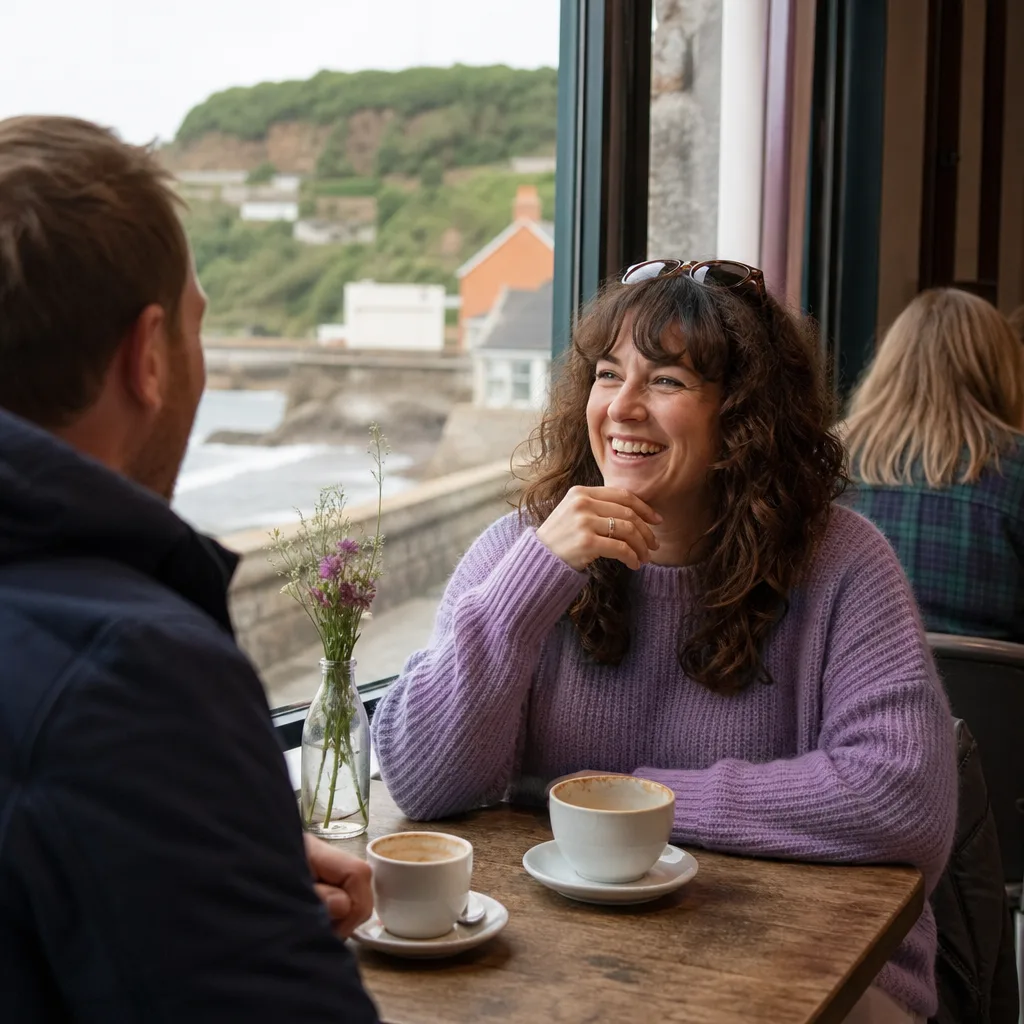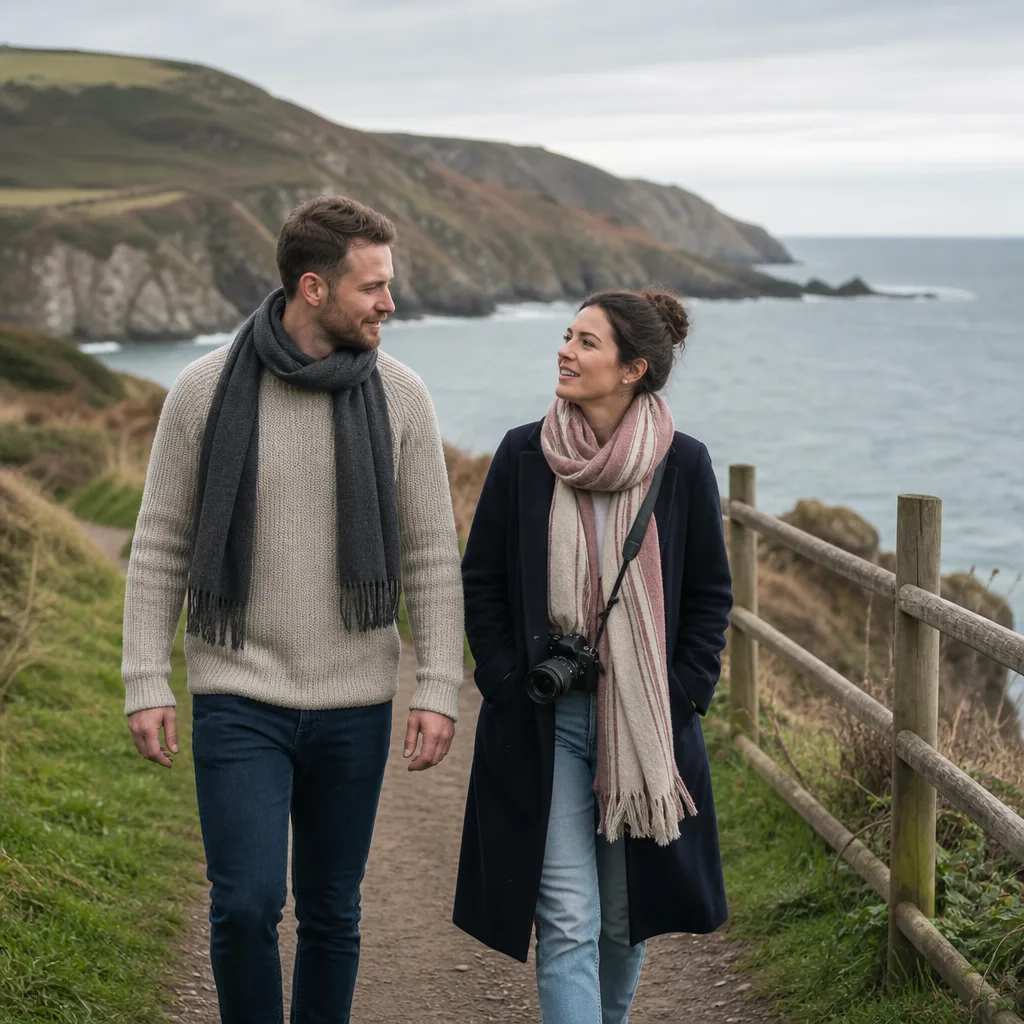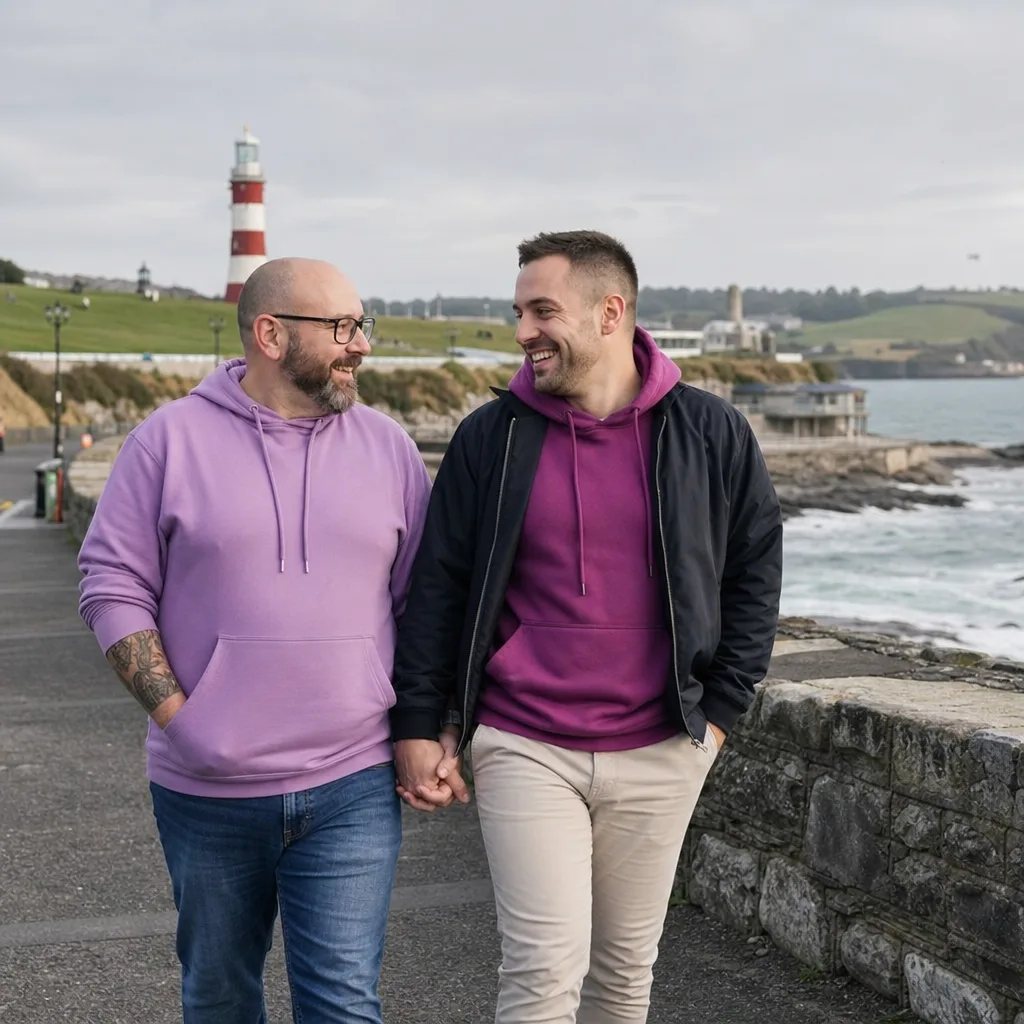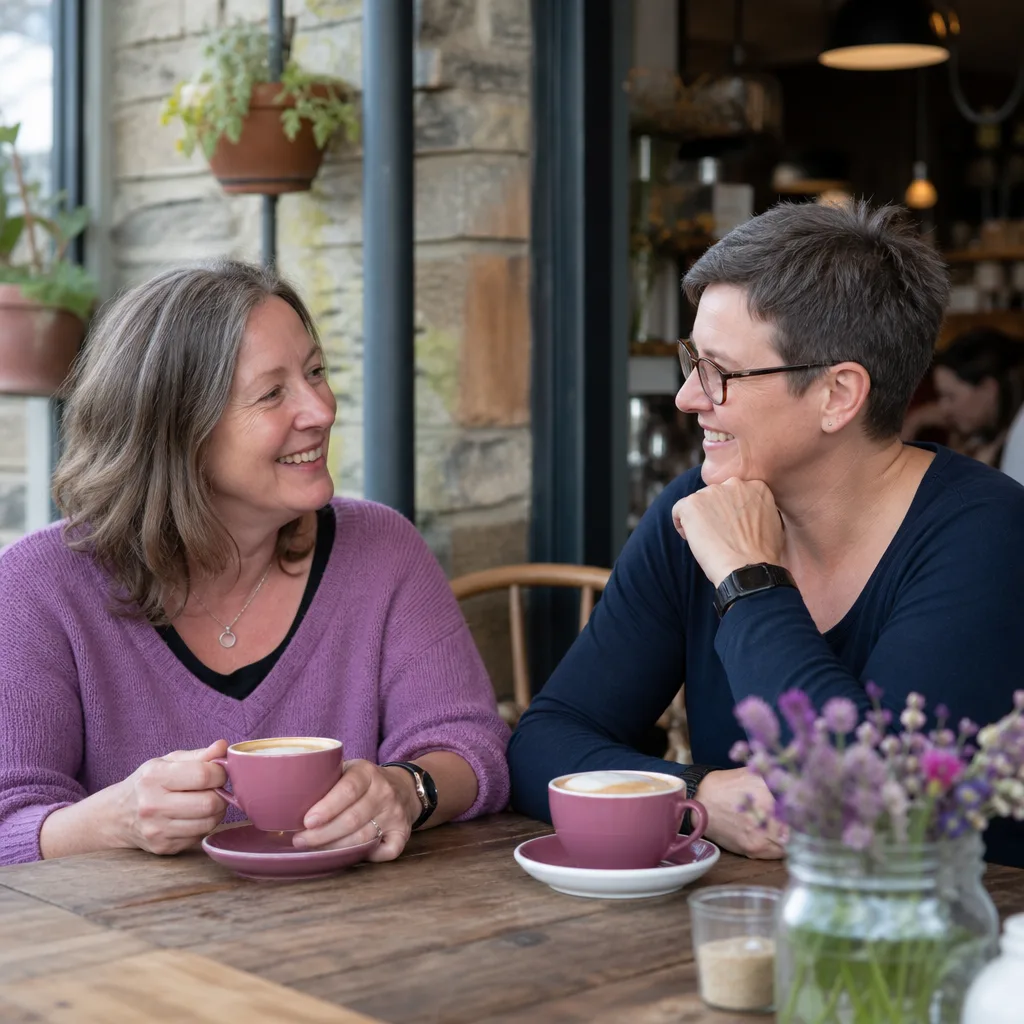
A practical guide to speed dating, hobby groups, volunteering and meeting people naturally across Devon.
You arrive ten minutes early, hover near the door and briefly consider going home. Everyone inside appears to know someone. Then another person walks in alone, looks equally uncertain and asks whether this is the right room. Just like that, you have someone to talk to.
That small moment explains why Devon singles events and social groups can work so well. They create a reason to be in the same place, doing the same thing, without asking either person to manufacture instant chemistry. Sometimes the event is explicitly for singles. Often it is simply a walk, class, volunteer shift or live performance where conversation happens naturally.
Devon adds one complication: distance. A social night in Exeter may be practical from Crediton or Exmouth, but not from Bideford. Plymouth is useful for the south-west of the county, Torbay serves a different stretch of coast, and single people in north Devon often need to look towards Barnstaple, Braunton, Bideford or Ilfracombe rather than treating the county as one enormous social area.
The best event is not necessarily the busiest one. It is the one you can attend regularly enough for unfamiliar faces to become familiar.
Where can you find singles events in Devon?
Look through dedicated event listings, local venue calendars, community groups, sports clubs and volunteering organisations, then filter by realistic travelling distance rather than county name alone.
Start with Eventbrite, Meetup and local Facebook groups, but do not stop there. A surprising amount of Devon's social life is advertised on venue websites, library noticeboards, parish pages, leisure-centre timetables and posters in cafés. Search by town and activity: “Barnstaple walking group” will usually produce more useful results than “social groups for singles Devon”.
Check calendars for established venues such as Exeter Phoenix, Theatre Royal Plymouth, Torre Abbey in Torquay and the Queen's Theatre in Barnstaple. These are not dating venues, and that is precisely the point. Workshops, talks, comedy nights and participatory events put people in a shared setting where there is already something to discuss.
- Dedicated singles nights. Speed dating, mixer evenings and age-banded socials make everybody's intention reasonably clear.
- Activity groups. Walking, running, board games, choirs, photography and dance provide repeated contact with less pressure.
- Adult learning. Short courses create easy conversation because everyone is learning, making mistakes and asking questions.
- Volunteering. Practical work reveals how people behave, not just how they describe themselves.
- Public events. Festivals, talks and performances are useful if you attend with a sociable plan rather than waiting silently for someone to approach.
Listings change quickly. Check the organiser's own page before travelling, particularly outside Exeter and Plymouth, where an event may run monthly rather than weekly. If the listing looks old, send one brief message asking whether it is still active and how many people usually attend. A decent organiser will answer plainly.
Choosing the Right Kind of Event
A room labelled “singles night” sounds efficient. It can be. Yet somebody who dislikes rapid introductions may have a better evening at a pottery class, conservation day or walking group, even though fewer attendees are actively dating. The right format depends on how you become comfortable with people.
Does speed dating in Devon actually work?
Speed dating works best as a quick way to identify mutual interest, provided you treat each conversation as an introduction rather than a full compatibility test.
Most speed dating Devon events use a simple format: short conversations, a private record of who you would like to speak with again, and contact details shared only after mutual selections. Exact timings, age ranges and matching systems vary, so read the organiser's terms rather than assuming every event operates alike.
The appeal is clarity. People have come to meet potential dates, and nobody needs to wonder whether starting a conversation is appropriate. The catch is that a few minutes favour people who warm up quickly. Quietness can be mistaken for disinterest, while polished conversation can be mistaken for compatibility.
Prepare three flexible questions that invite an actual answer. “What do your weekends usually look like?” is better than conducting an interview about jobs, property and previous relationships. Ask about something local too. Someone's idea of an easy journey may differ greatly from yours, especially if one of you is near Totnes and the other is beyond Barnstaple.
Practical tip: Write one or two identifying words after each speed-date conversation, such as “allotment, Instow”, rather than a verdict. By the end of the evening, names and stories blur surprisingly quickly.
Are hobby groups better than singles nights?
Hobby groups are often better for gradual connections, while singles nights provide clearer romantic intent and faster introductions.
Neither option is universally superior. Choose according to your tolerance for pressure, your available time and whether you would enjoy the activity even if no date came from it.
| Option | Best for | Main limitation |
|---|---|---|
| Speed dating | Meeting several available people in one evening | Short conversations can feel rushed |
| Singles mixer | Longer, informal conversations | Approaching people still takes initiative |
| Hobby club | Getting to know people over repeated meetings | Not everyone will be single or looking |
| Volunteering | Meeting people through shared practical work | The cause must remain the priority |
| Adult course | Structured contact over several weeks | Courses may involve fees and fixed dates |
Good recurring choices include walking groups, social running clubs, amateur dramatics, book groups, community choirs, board-game nights, sea-swimming groups and gardening projects. Look for activities with time to talk. A silent film screening may attract interesting people, but a discussion afterwards is where the social value lies.
Go because the activity has some appeal of its own. Joining a club purely to pursue dates changes how you behave and can make other members wary. Attend, contribute and let people get to know you. If mutual interest develops, ask simply: “Would you like to get a coffee sometime?” One clear invitation is enough.
How can volunteering help you meet people?
Volunteering creates repeated, purposeful contact and allows connections to grow while everyone is focused on useful work.
Devon offers environmental, heritage, community, animal-welfare and coastal volunteering. Devon Wildlife Trust advertises volunteer opportunities, while National Trust properties and local community organisations recruit for practical and public-facing roles. RNLI volunteering also exists around the coast, although roles, training and vacancies differ by station.
Choose work you can commit to. A monthly conservation task may suit someone with a full-time job; a charity-shop shift may work better for someone wanting regular local contact. Ask what the task involves, whether training is provided and whether volunteers usually work together or alone.
Keep the purpose straight. You are there to help. Friendships and dates may follow, but treating a volunteer shift as a hunting ground is unfair to colleagues and beneficiaries. The healthy version is simpler: do useful work, speak to people normally and notice who you enjoy being around.